

Curriculum8 min
Choosing between Cambridge and UNEB in 2026
Parents keep asking the same question. Here's the honest answer, university outcomes, cost, and the part nobody mentions.
5 Apr 2026Read
University starts long before the application form. It starts with three principal subjects chosen at S5. This is the honest guide to the whole road, combinations, courses, government sponsorship, scholarships, the loan scheme, and when a degree abroad is worth it.
Where guidance helps
The three principal subjects chosen at S5 quietly decide which degrees are open at 18. We map each combination to the courses it unlocks, and the ones it closes.
Match interests and grades to the right programme and campus, public or private, science or arts, near home or boarding distance.
How the national merit list, the district quota, and the sports and PWD schemes actually allocate state-funded places at public universities.
Where the funded places hide, institutional scholarships, faith and community trusts, employer schemes and competitive awards.
The Higher Education Students' Financing Board loan scheme, termly fee plans and how families bridge the gap private tuition leaves.
When a foreign degree is worth it, which qualifications travel, and how to read the true cost behind a glossy prospectus.
From Trends & Insights
Parents keep asking the same question. Here's the honest answer, university outcomes, cost, and the part nobody mentions.

A practical checklist for parents weighing the decision, from results to the things the prospectus never mentions.
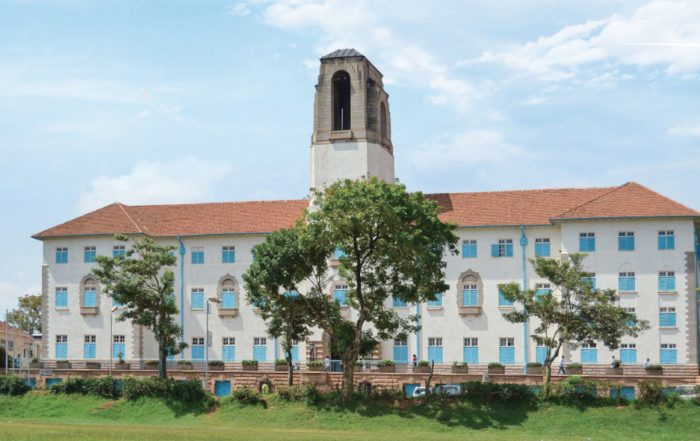
The practical effect for sixth-formers: a narrower but better-resourced menu, and tighter cut-offs.

The prospectus is polished. These questions get you past it to how the school actually runs.
The road, in order
Each stage narrows the field. The earlier a family thinks about the last step, the more room they leave themselves at the first.
End of S4 / UCE
UCE results in hand, pick three principal subjects for A-Level. This is the single most consequential academic decision a student makes, it sets the degree shortlist two years early.
S5
Settle into the combination and start naming target courses and universities. Visit open days. Note which programmes need a specific subsidiary (General Paper, Sub-ICT or Sub-Math).
S6
Lodge government-sponsorship and private-admission applications to public and private universities, and any scholarship or abroad applications, before UACE results, where the window allows.
UACE results
Public-university sponsorship is decided on weighted UACE scores against programme cut-offs. Cut-offs move each year with the field, treat last year’s as a guide, not a promise.
Admission
Confirm the offer, lock in funding, sponsorship, scholarship, loan or family, and complete registration. Diploma and mature-age entry routes open here too for those who took a different path.
The combination decides the door
Switching combination mid-A-Level is rarely allowed. Choose for the degree you might want at 18, not only the subjects that feel easiest at 16.
Physics · Chemistry · Maths
Engineering, computer science, architecture, surveying, physical sciences, statistics.
Biology · Chemistry · Physics or Maths
Medicine, dentistry, pharmacy, nursing, veterinary medicine, biomedical and agricultural sciences.
Maths · Economics · Physics or Geography
Economics, actuarial science, finance, business, quantitative and data fields.
History · Economics · Geography
Law, social sciences, development studies, public administration, education.
Literature · History · Languages (HEL, MEL…)
Law, journalism & communication, languages, education, social work.
General Paper · Sub-ICT · Sub-Maths
Sat alongside the three principals. Some courses require a particular subsidiary, check before you drop one.
From Trends & Insights
Parents keep asking the same question. Here's the honest answer, university outcomes, cost, and the part nobody mentions.

Four schools currently authorised. Here is what each one does well, and where the curriculum hits friction.
A practical checklist for parents weighing the decision, from results to the things the prospectus never mentions.
The practical effect for sixth-formers: a narrower but better-resourced menu, and tighter cut-offs.
Who pays for the place
Sponsorship is competitive and scholarships are quiet, but a private offer is rarely the only route. Map the funding before you fall in love with one university, not after.
National merit (government sponsorship)
State-funded places at public universities, allocated on weighted UACE scores against each programme’s cut-off. The most competitive route, and free at the point of study.
District quota scheme
A share of government places reserved by district, widening access beyond the big urban schools. Eligibility depends on where a candidate sat their exams.
Sports & talent scheme
Public universities admit a number of candidates on sporting and talent merit each year, a real route for strong athletes who also clear the academic floor.
PWD & affirmative schemes
Dedicated places for candidates with disabilities and other affirmative categories, designed to keep the doors open where the standard list would not.
Students' loan scheme (HESFB)
The Higher Education Students’ Financing Board lends tuition for select degree and diploma programmes, repayable after graduation, an option when sponsorship does not come through.
Scholarships & bursaries
Institutional awards, faith and community trusts, employer schemes and competitive scholarships, local and international. Often under-applied for simply because families never see them.
From Trends & Insights

Across 40+ schools we tracked, average termly tuition rose 6.4%, but the dispersion tells the real story.
Parents keep asking the same question. Here's the honest answer, university outcomes, cost, and the part nobody mentions.
A practical checklist for parents weighing the decision, from results to the things the prospectus never mentions.
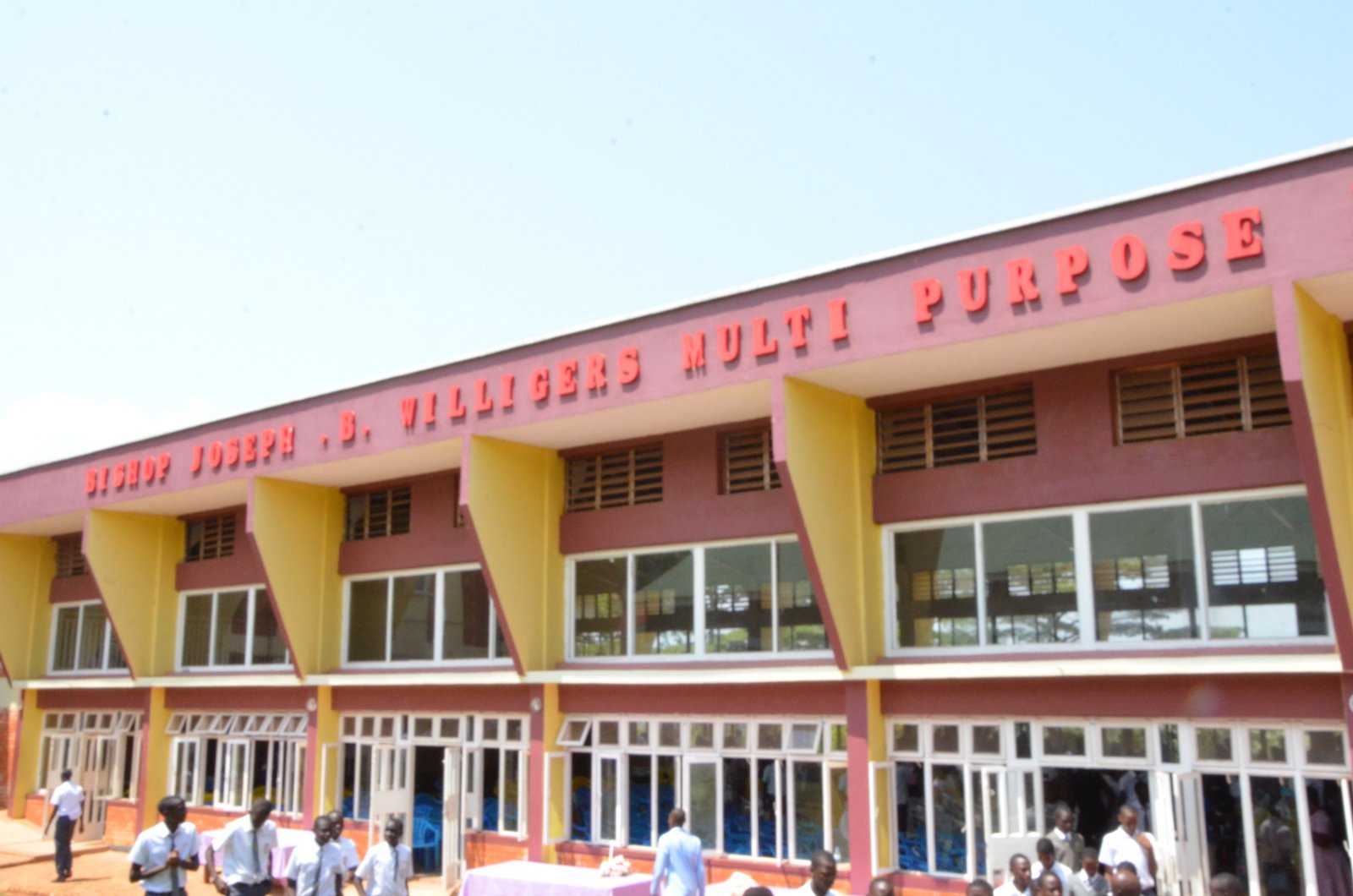
Busoga College Mwiri is again drawing pupils who, a few years ago, would have decamped to Kampala.
Where students land
Makerere University
Kampala · Public
Mbarara Univ. of Science & Tech (MUST)
Mbarara · Public
Kyambogo University
Kampala · Public
Gulu University
Gulu · Public
Busitema University
Busitema · Public
Makerere Univ. Business School (MUBS)
Kampala · Public
Uganda Christian University (UCU)
Mukono · Private
Uganda Martyrs University
Nkozi · Private
Kampala International University (KIU)
Kampala · Private
Islamic University in Uganda (IUIU)
Mbale · Private
Nkumba University
Entebbe · Private
Ndejje University
Luweero · Private
From Trends & Insights
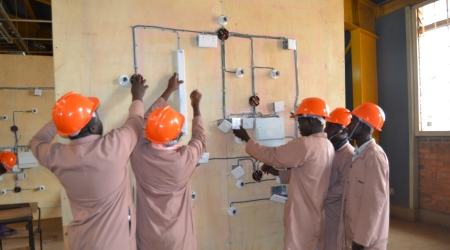
The case for technical education used to be made apologetically. The new infrastructure makes it without apology.

Skilled-trade graduates are landing jobs faster than many degree holders. The institutes behind the shift.
UBTEB enrolment is up 22% in three years. We visited the institutes turning out the country's electricians, welders and ICT technicians.
Busoga College Mwiri is again drawing pupils who, a few years ago, would have decamped to Kampala.
For some students a foreign degree is the right call, for the course Uganda doesn't offer, the research depth, or the network. For many others, a strong local degree plus the saved fees is the smarter bet. Our overseas desk lays out destinations, true costs and scholarship windows so the choice is made on facts, not brochures.
Open the overseas deskWhether you're choosing a combination at S5 or weighing offers at S6, the next move is usually small. Browse the universities, or write to us for a second pair of eyes on the shortlist.