
Curriculum8 min
Choosing between Cambridge and UNEB in 2026
Parents keep asking the same question. Here's the honest answer, university outcomes, cost, and the part nobody mentions.
5 Apr 2026Read
Inclusive education
Schools whose primary mission is serving learners with disabilities, from the historic Salama and Madera schools to newer specialist provision for autism and intellectual-disability support. Fees, staffing and facilities indexed on Praecip.
0 primary1 secondary
Secondary
Frequently asked questions
A school whose primary mission is serving learners with disabilities, deaf, blind, low-vision, physical disability, intellectual disability, autism-spectrum or specific learning difficulty. These schools have specialist teaching staff, adapted facilities (Braille rooms, sign-language interpreters, accessible boarding) and a curriculum tailored to each focus area.
Special-needs schools serve learners with disabilities exclusively or predominantly. Inclusive schools are mainstream schools that integrate SEN learners alongside non-disabled peers, typically with a special-needs unit and trained support teachers. Both models exist in Uganda; the right choice depends on your child's specific needs.
Most do. UNEB provides accommodations for special-needs candidates, extended time, Braille papers, sign-language interpretation, scribes, so learners can sit PLE, UCE and UACE alongside the mainstream cohort. A small number of schools focus on functional skills rather than the academic exam path.
A mix. Some are government-aided under the Ministry of Education's Special Needs Education Department. Others are run by religious missions (e.g. Salama School for the Blind), NGOs or private trusts. Government-aided special-needs schools typically charge minimal fees; private and mission schools charge fees comparable to other private schools, often with bursary schemes.
Explore further
From Trends & Insights
Parents keep asking the same question. Here's the honest answer, university outcomes, cost, and the part nobody mentions.

A practical checklist for parents weighing the decision, from results to the things the prospectus never mentions.
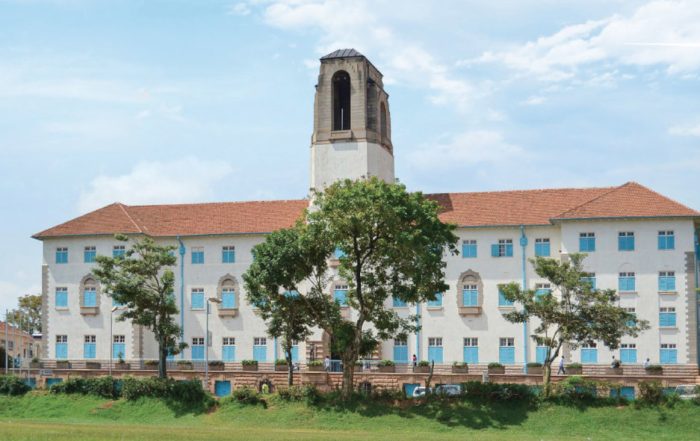
The practical effect for sixth-formers: a narrower but better-resourced menu, and tighter cut-offs.

The prospectus is polished. These questions get you past it to how the school actually runs.